
Let us talk about shockwave therapy. The name sounds intense, I know. It makes you think of something out of a science fiction movie. But it is actually a gentle, non invasive treatment for stubborn pain that just will not go away. You have probably tried resting, icing, stretching, and maybe even physiotherapy. But that one spot in your heel, your elbow, or your shoulder keeps hurting. This is where shockwave therapy comes in. It is not a first step. It is a smart next step for pain that has overstayed its welcome. Think of it as a way to hit the reset button on an injury that never properly healed the first time. At Progressive Rehab Clinic, we use shockwave therapy to help people finally get relief from chronic tendon problems.
How Does Shockwave Therapy Work?
Imagine your body is trying to patch up a torn tendon or a sore ligament. Sometimes it does a rushed, messy job. It lays down new tissue that is weak, stiff, and full of tiny scars. This patch holds, but it is not strong or flexible. Every time you use it, it protests with pain. Shockwave therapy uses a handheld device that sends gentle pulses of energy into that messy patch of tissue. These are not electric shocks. They are more like precise waves of pressure, like tiny, targeted taps. The idea is simple. Those gentle waves create a controlled, minor injury in the bad tissue. This sounds backwards, but it is like tearing up a poorly built road so you can repave it correctly. The waves break up the old, weak scar tissue and wake up the healing cells that have gone to sleep. It tells your body to fix this spot again, but this time to do it right.
What Does a Shockwave Treatment Feel Like?
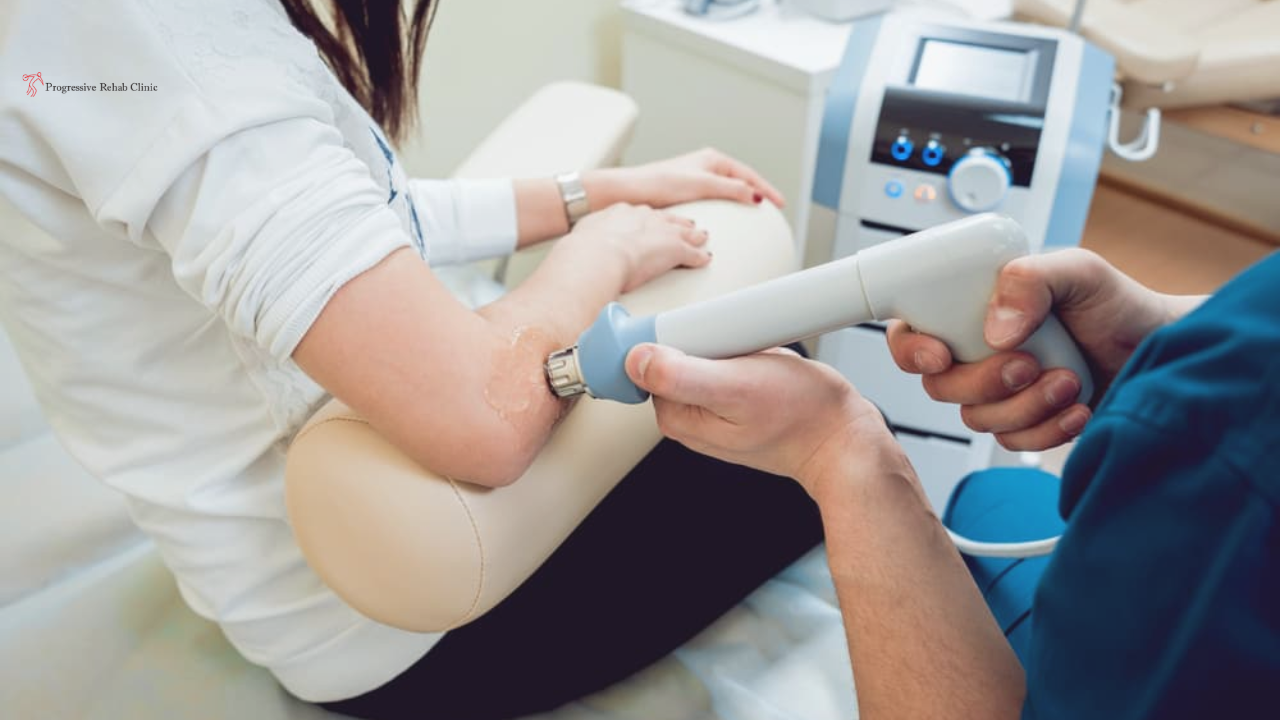
This is what everyone wants to know before they try it. You will lie down on a comfortable table. The therapist will put a little bit of gel on your skin, just like for an ultrasound. Then they will press the handheld device against your sore spot and start the treatment. You will feel a tapping or pulsating sensation. It is rhythmic and deep. When the device works right over the most tender part of your injury, you will definitely feel it. It is not a sharp pain, but it is a deep, intense pressure. Some people say it feels like a deep massage tool on the highest setting. It is not comfortable, but it should not make you jump off the table. A good therapist will check in with you and adjust the intensity. Each session is short, usually only about five to ten minutes for the area.
What Conditions Can Shockwave Therapy Help?
Shockwave therapy is famous for treating chronic tendon problems. These are the pains that have lasted for three or more months. The most common condition is plantar fasciitis, which is that stabbing heel pain with your first steps in the morning. It is also very effective for tennis elbow or golfer’s elbow, which is pain on the outside or inside of your elbow from gripping or lifting. Shoulder tendinitis, that persistent ache when you reach or lift, responds well to shockwave. Achilles tendinitis, pain in the back of your heel and ankle, is another common use. Some people also get relief from shin splints, which is deep pain in the front of your lower leg. If you have had any of these problems for months and nothing has helped, shockwave therapy might be the answer you have been looking for. At Progressive Rehab Clinic, we can assess whether you are a good candidate.
What to Expect After a Shockwave Session
Do not expect to walk out of your first session completely pain free. That is not how shockwave works. Your body needs time to start the new healing process. It is common to feel sore in the treated area for a day or two after the session. This soreness feels similar to how you feel after a very deep workout. It is a normal sign that your body is responding to the treatment. The real healing happens quietly over the next several weeks as your body rebuilds the tissue properly. Most people need a few sessions, usually spaced one to two weeks apart. You will likely start to notice improvement after two or three sessions, but it can take several weeks to feel the full benefit. Drink plenty of water after each session to help your body flush out the broken down tissue. Rest the area for the first day, then gently move it as you normally would.
Who Should Not Get Shockwave Therapy?
Shockwave therapy is safe for most people, but it is not for everyone. You should not get shockwave if you are pregnant, especially if the treatment area is near your abdomen or lower back. You should also avoid it if you have a bleeding disorder or you take blood thinning medications, because the treatment can cause bruising or bleeding under the skin. If you have a pacemaker or other implanted device, the shockwaves could interfere with it. If you have a tumor or cancer in the treatment area, shockwave is not safe. And if you have an infection or open wound on your skin where the treatment would go, you need to let that heal first. Some clinics also avoid treating over major nerves or blood vessels. Your physiotherapist at Progressive Rehab Clinic will go through a full screening with you before your first session to make sure shockwave is safe for your specific situation. Never lie about your medical history. Your safety is the most important thing.
The Bottom Line on Shockwave Therapy
If you are tired of a pain that feels permanent, shockwave therapy is a real and effective option to ask your physiotherapist about. It is for when you are done just managing pain and you are ready to truly fix it. It gives your body a clear, strong signal to finally heal that old injury the right way. The treatment itself is quick, usually under ten minutes. The soreness afterward is temporary and manageable. And when you combine shockwave with the right exercises, many people find that they can finally get back to the activities they love without that constant, nagging ache holding them back. At Progressive Rehab Clinic, we have helped countless people find relief from chronic tendon pain using shockwave therapy. If you have been struggling with plantar fasciitis, tennis elbow, shoulder pain, or other stubborn tendon problems, come talk to us. We will assess your situation and let you know if shockwave is right for you.