
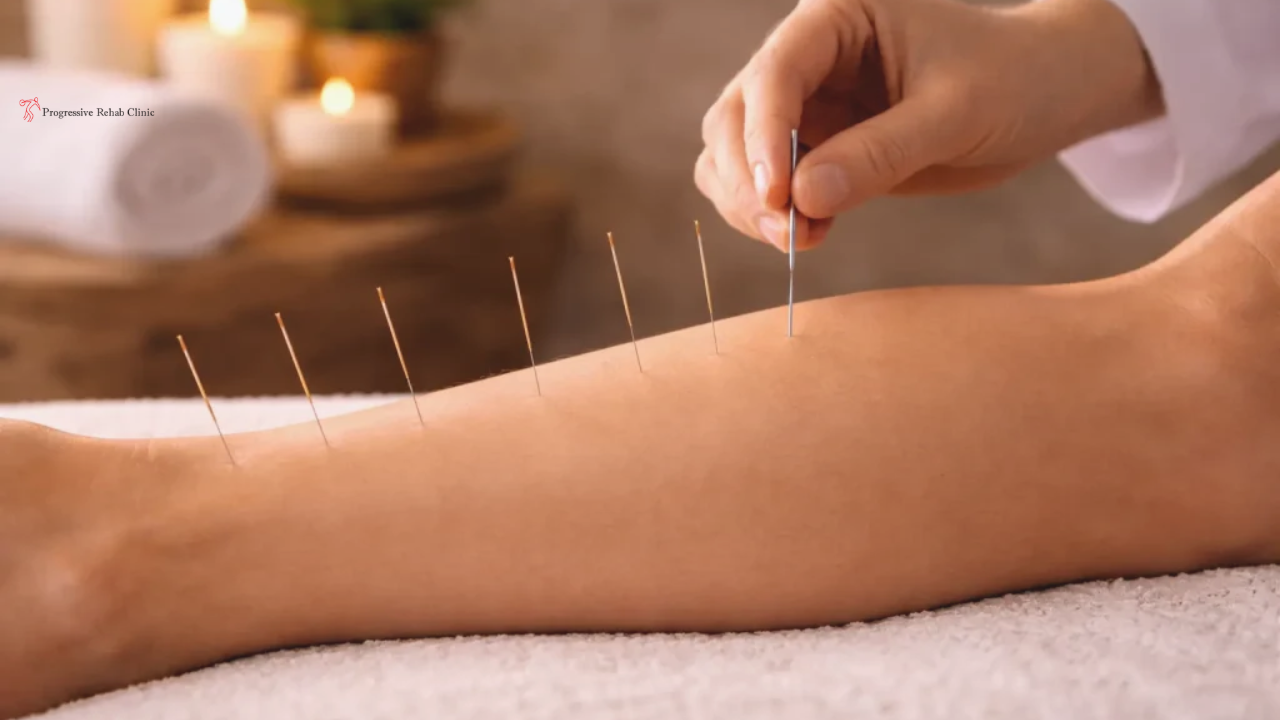
Let me tell you about acupuncture. You have probably seen pictures of it before. Maybe it looked a little strange to you, all those tiny needles. I get it. It can look intimidating if you have never tried it. But here is the thing. Acupuncture has been around for thousands of years, and millions of people use it to feel better. The needles are not what you think. They are nothing like the needles you get at the doctor’s office for a shot. Those are thick and hollow. Acupuncture needles are hair thin, solid, and very flexible. Most people are surprised at how little they feel when the needles go in. You might feel a tiny pinch or a dull pressure for a second, and then nothing. Many people actually fall asleep during treatment because it is so relaxing.
How Does Acupuncture Work?
There are two main ways to understand how acupuncture works. The traditional idea from Chinese medicine says that our bodies have a natural energy called Qi (pronounced chee) that flows through pathways called meridians. When you are stressed, injured, or sick, that energy can get stuck or blocked, and that causes pain or illness. Acupuncture uses those tiny needles at specific points to unblock the energy and get it flowing again. The modern scientific explanation is that the needles send signals to your nervous system, which tells your brain to release its own natural painkillers called endorphins. Acupuncture also increases blood flow and reduces inflammation. Either way you look at it, acupuncture helps your body heal itself.
What Does an Acupuncture Session Feel Like?
You will lie down on a comfortable table in a quiet, calm room with the lights dim. The acupuncturist will talk to you first about your pain, your sleep, your digestion, your stress, and your mood. They look at the whole picture, not just your symptoms. Then they will gently tap a few needles into place on your back, legs, arms, or ears. You might feel a tiny pinch or a dull pressure for a second, but that is it. Once the needles are in, you just rest for about twenty to thirty minutes. Most people describe the feeling as deeply peaceful. Some people fall asleep. When the time is up, the needles come out and you barely feel them. Afterwards, you often feel relaxed, clear headed, and just better overall.
What Problems Can Acupuncture Help With?
Acupuncture is famous for treating pain, and it is very good at that. Chronic pain like back pain, neck pain, and osteoarthritis are some of the most common reasons people try it. Headaches and migraines are another big one. Many people find that regular sessions reduce how often they get headaches. Stress, anxiety, and trouble sleeping are also very responsive to acupuncture because of its calming effect on your nervous system. Acupuncture is also effective for nausea, including from chemotherapy or morning sickness during pregnancy. Some people use it for fertility support or digestive issues like irritable bowel syndrome. And many people come just for general wellness to feel more balanced and less run down.
Does Acupuncture Hurt?
Let me be honest with you. The needles are so thin that most of the time you barely feel them going in. You might feel a tiny prick like a mosquito bite, but it lasts for less than a second. Sometimes you feel nothing at all. Once the needle is in, you might feel a dull ache, a warm sensation, or a little pressure. These are all good signs that the needle has hit the right spot. You should never feel sharp pain. If you do, you tell the acupuncturist and they will adjust or remove the needle right away. After the session, you might have a tiny red dot or a small bruise, which is normal. The most common after effect is just feeling deeply relaxed or a little sleepy. Drink water and take it easy for the rest of the day.
How Many Sessions Will You Need?
This depends on what you are being treated for and how long you have had the problem. For a fresh, acute injury, you might only need a few sessions. For a chronic condition that you have had for months or years, you will likely need more. Most people come once a week for several weeks, and then they space the sessions out as they get better. For example, you might come weekly for six weeks, then every other week for another month, then once a month for maintenance. Some people feel better after just one session, but do not expect that. Most people need a series of treatments to get lasting results. Acupuncture works cumulatively, meaning each session builds on the last one, similar to how going to the gym regularly makes you stronger over time.
Is Acupuncture Safe?
Yes, when it is done by a trained, licensed professional, acupuncture is very safe. The needles are sterile and single use. They come in a sealed package, they are used on you, and then they are thrown away. There is no risk of getting an infection from dirty needles. The most common side effects are minor. You might feel a little lightheaded during or after a session. You might get a small bruise where a needle was. You might feel tired or spacey afterward. These are all normal and go away quickly. Serious side effects are extremely rare. That said, you should always tell your acupuncturist if you are pregnant, if you have a pacemaker, or if you take blood thinning medications. They need this information to keep you safe.
The Bottom Line on Acupuncture
Acupuncture is not magic, but it is a very old and very smart way to help your body heal itself. It works with your nervous system to reduce pain, lower stress, and bring your body back into balance. If you have a condition that has not responded well to other treatments, or if you are looking for a natural way to manage pain or stress, it is absolutely worth trying. It asks very little from you, just a willingness to lie down and relax for half an hour. In return, it can offer a real sense of relief, calm, and well being. If you are curious about whether acupuncture could help you, come talk to us at Progressive Rehab Clinic. We will listen to your story and help you decide if this ancient practice is right for your modern life.